
Taking Neokidney to the Top:
A Test Session at 3,000 Meters
When validating a medical device means heading to the Swiss Alps
March 10, 2026 - Author : Gaëtan Pannetier
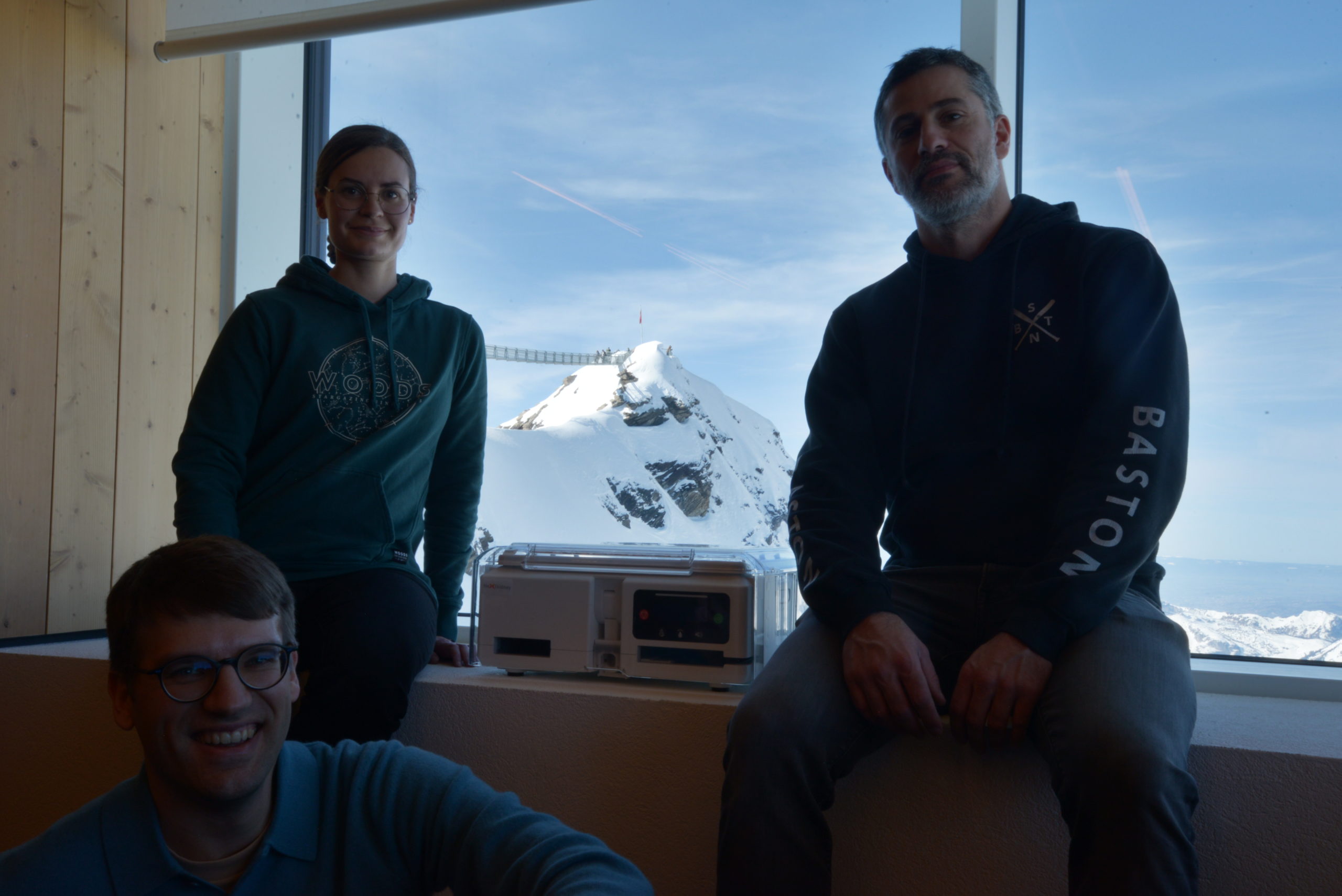
February 25, 2026 – Scex Rouge, Switzerland
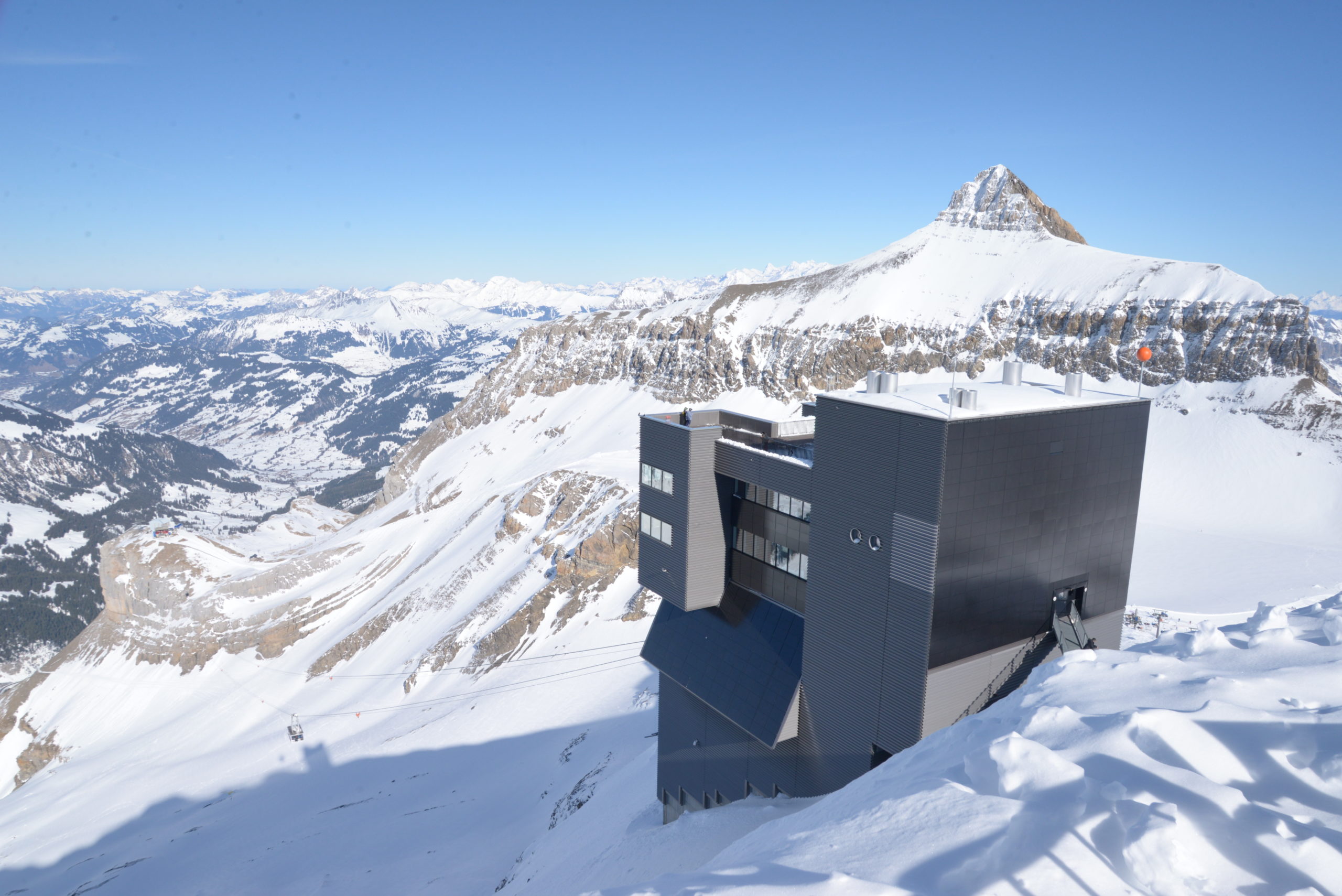
The challenge
Neokidney is routinely tested at sea level in Singapore and near sea level in Lausanne. But medical devices don't always stay at sea level. Patients travel. They live in mountain towns. They go on holiday.
At 3,000 meters, atmospheric pressure drops to around 700 hPa. That changes how fluids move, how sensors read, how the whole system behaves. To evaluate system performance across a range of altitudes, testing must be conducted under those actual conditions.
The mission
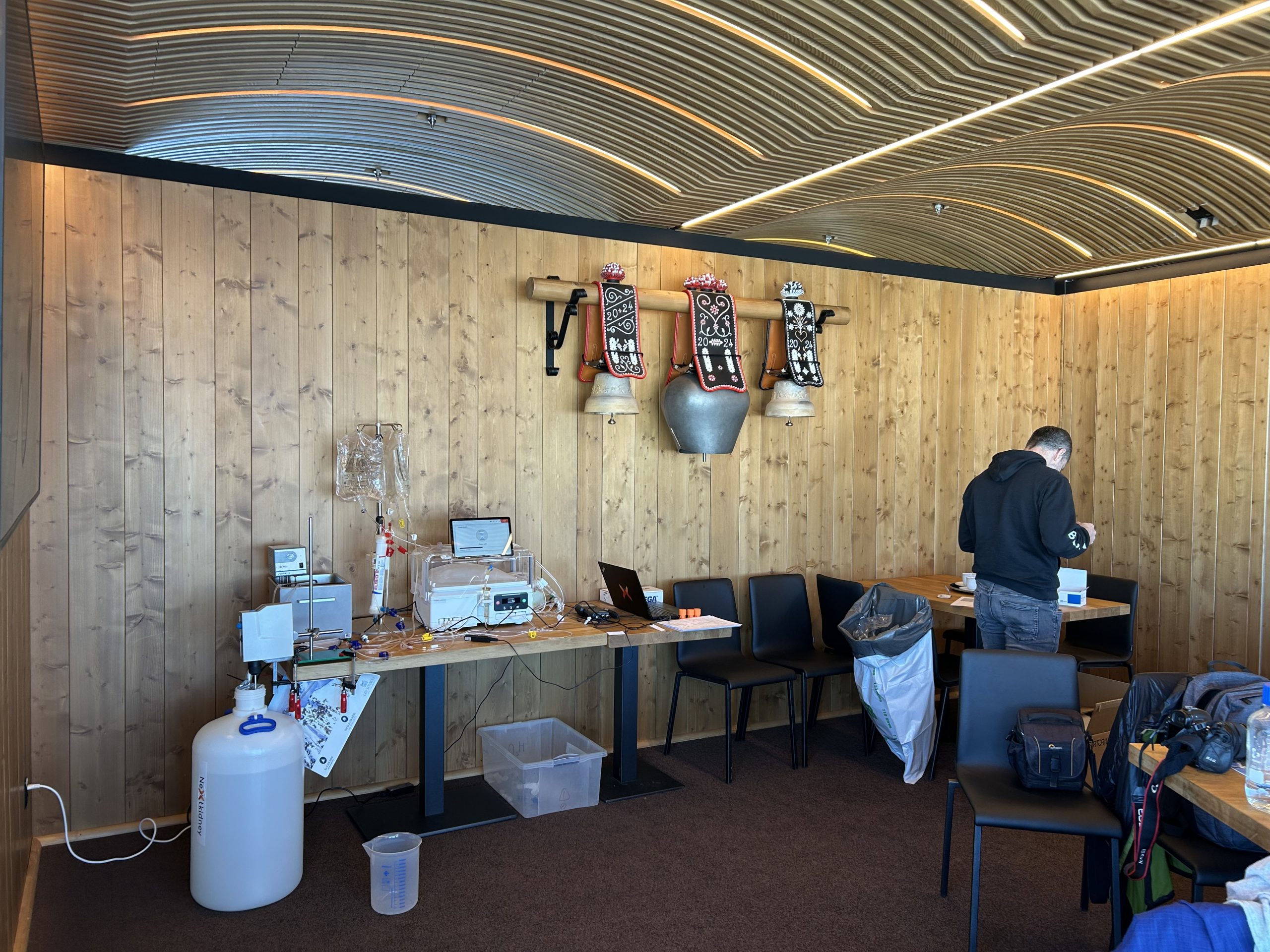
The setting
It's not every day that R&D involves panoramic views of glaciers and ski lifts passing overhead. But rigorous engineering sometimes takes you to unexpected places, and this was one of them.
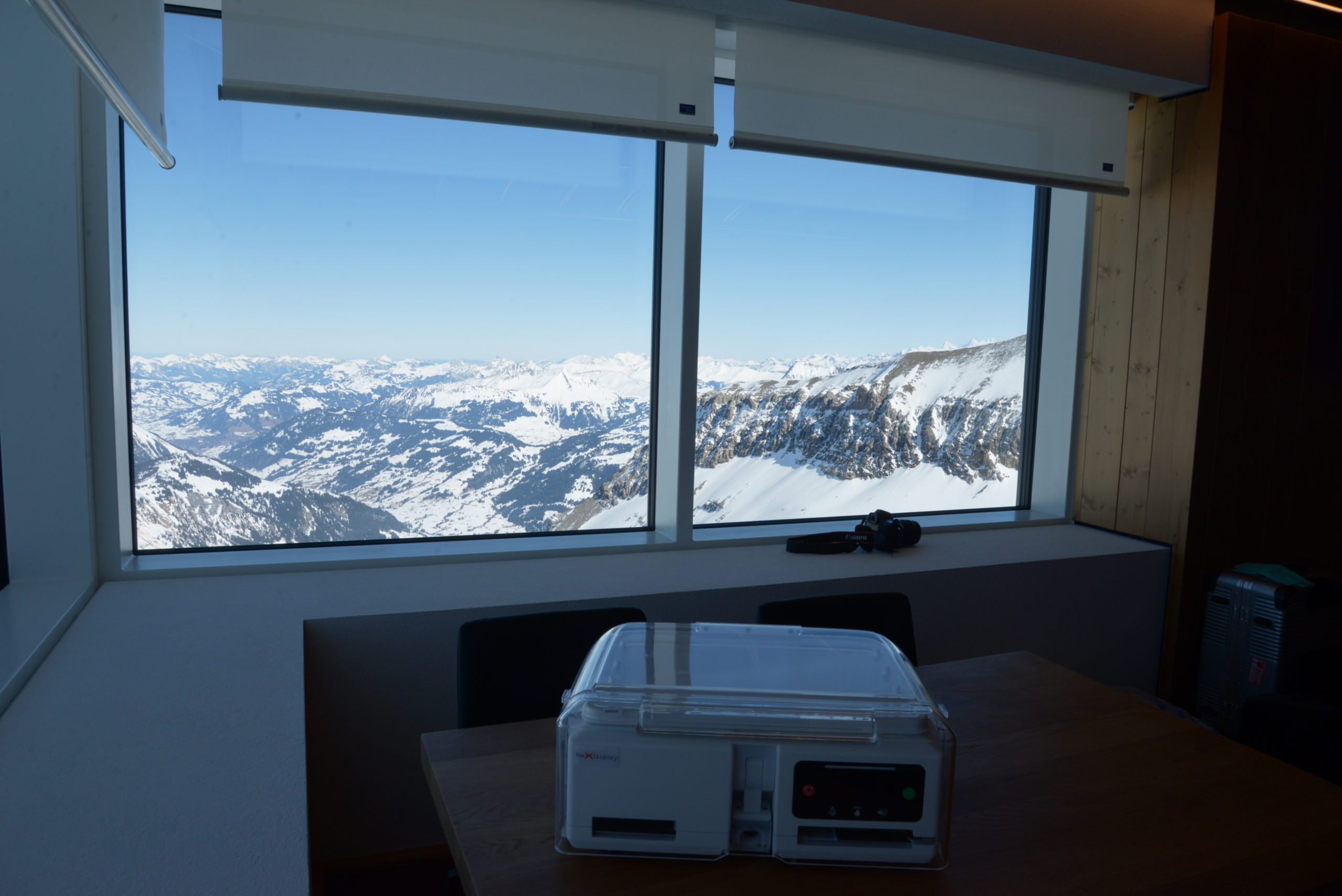
Neokidney is currently an investigational device and not approved for commercial use.